The Essential Guide to Fresh Real Wasabi in Restaurants and Sushi Bars
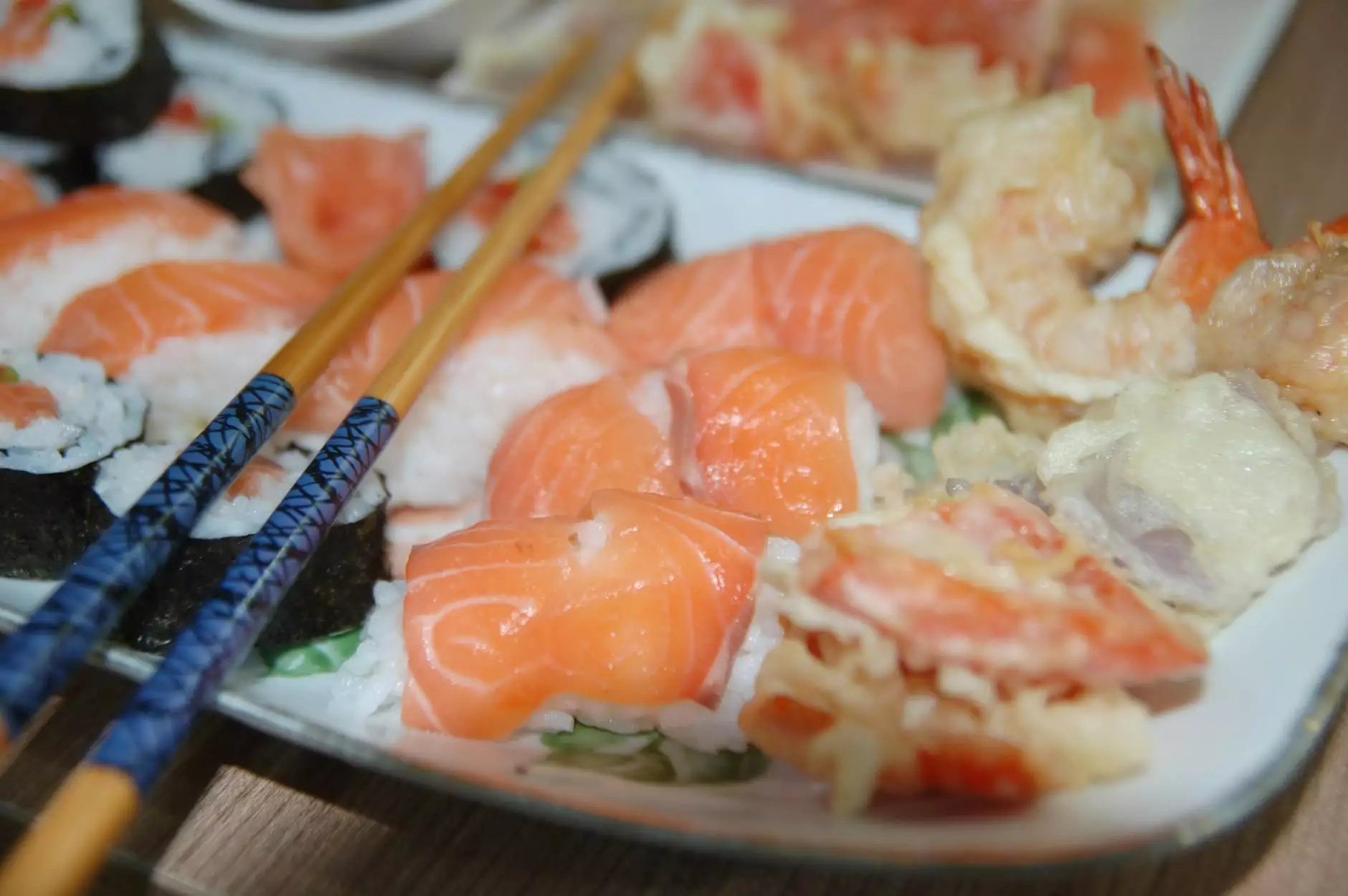
In the vibrant world of Japanese cuisine, few ingredients stand out quite like fresh real wasabi. While many people may be familiar with the bright green paste served alongside their sushi, few realize that the authentic version of this condiment is entirely different from the store-bought substitutes. In this comprehensive article, we delve into the captivating flavors, health benefits, and culinary significance of fresh real wasabi, showcasing why it deserves a prominent place in your dining experiences at restaurants and sushi bars.
What is Fresh Real Wasabi?
Fresh real wasabi, known scientifically as Wasabia japonica, is a plant native to Japan, primarily grown in the cool, shaded streams of mountainous regions. Unlike the more common horseradish, which is often dyed green and served as a substitute in most Western sushi restaurants, real wasabi offers a distinct flavor profile that is aromatic and slightly sweet, with a less intense heat that quickly dissipates. This unique taste enhances the umami flavor of sushi and sashimi, making it a highly sought-after ingredient.
Understanding the Products: Fresh vs. Processed Wasabi
When you dine out, it’s crucial to differentiate between fresh real wasabi and its processed counterparts. Here’s a quick overview:
- Fresh Wasabi: Grated from the rhizome, it has a complex flavor with a subtle sweetness and a fleeting heat.
- Wasabi Paste: Commonly found in tubes, this is often a mixture of horseradish, mustard, and green food coloring.
- Powdered Wasabi: Made from dried wasabi and requires mixing with water; it typically lacks the freshness of the real deal.
- Imitation Wasabi: The majority of wasabi served in restaurants is this artificially flavored blend, which often contains no real wasabi at all.
The Culinary Journey of Fresh Real Wasabi
Incorporating fresh real wasabi into your meals can transform your dining experience. This section explores the various culinary applications of fresh wasabi, particularly in sushi bars and restaurants.
Pairing Fresh Wasabi with Sushi and Sashimi
Fresh wasabi enhances the natural flavors of sushi and sashimi. Here are some tips for pairing:
- Salmon: The rich, fatty profile of salmon contrasts beautifully with the light zest of fresh wasabi.
- Tuna: The delicate flavor of fresh tuna shines brighter when complemented with real wasabi.
- White Fish: Lightly flavored fish such as flounder and snapper benefit immensely from the boldness of fresh wasabi.
Beyond Sushi: Versatile Uses of Fresh Wasabi
While wasabi is a staple in sushi, its uses extend well beyond. Chefs use fresh wasabi in a variety of creative applications:
- Sauces: Incorporate fresh wasabi into dressings and sauces for salads or seafood dishes.
- Dips: Mix with soy sauce or create creamy dips with fresh wasabi for an exciting twist.
- Garnishes: Use fresh wasabi as a sophisticated garnish to elevate your dining presentation.
The Health Benefits of Fresh Real Wasabi
Not only does fresh real wasabi enhance culinary dishes, but it also boasts numerous health benefits. Knowing these can make you appreciate it even more:
Rich in Antioxidants
Fresh wasabi contains a variety of antioxidants, which help protect your body from oxidative stress, inflammation, and chronic diseases. Including it in your diet can boost your immune system and overall health.
Antimicrobial Properties
Research suggests that wasabi has natural antimicrobial properties, making it a great addition to raw fish dishes. This can provide an extra layer of protection against foodborne illnesses.
Digestive Aid
The compounds found in fresh wasabi can aid in digestion, helping your stomach process rich foods more efficiently and promoting a healthy digestive tract.
How to Identify Fresh Real Wasabi
When seeking out fresh real wasabi, it’s essential to know how to identify it effectively. Here’s what you need to look for:
- Appearance: Fresh wasabi has a textured skin that often appears wrinkly, with a slightly tapered end.
- Color: The flesh is a pale green color, not bright green like many imitation products.
- Fragrance: Fresh wasabi emits a subtle and fragrant aroma; if it smells overly pungent, it may not be real.
- Consistency: When grated, it should be slightly moist and easily spreadable, with a more delicate consistency than the imitation variety.
Where to Find Fresh Real Wasabi
If you're eager to experience fresh wasabi, here’s how to find it:
Specialty Japanese Restaurants
Many high-end Japanese restaurants take pride in sourcing fresh ingredients, including wasabi. Look for eateries known for their commitment to authenticity and quality.
Local Sushi Bars
Some sushi bars are devoted to serving fresh, quality ingredients and may offer real wasabi upon request. Always ask your chef or server if they use fresh wasabi.
Asian Markets and Grocery Stores
High-quality Asian markets may sell fresh wasabi rhizomes. Just ensure to check for freshness and buy only from reputable stores.
Conclusion: The Exquisite Experience of Fresh Real Wasabi
Fresh real wasabi is not just a condiment; it’s an experience that enhances the joy of dining on Japanese cuisine. When you opt for fresh wasabi in restaurants and sushi bars, you’re elevating your meal with unique flavors and numerous health benefits. Embrace the authentic taste of Japanese culture, and ensure to choose fresh real wasabi during your next dining adventure.
Discover the unparalleled richness it brings to culinary artistry and the exciting, elegant touch it adds to your sushi experience. Make fresh real wasabi a staple in your palate, and explore the authentic essence of Japanese dining in its most delightful form.
For more information and a delightful culinary journey, visit realwasabi.com.