Exploring the Elegance of Italian Furniture
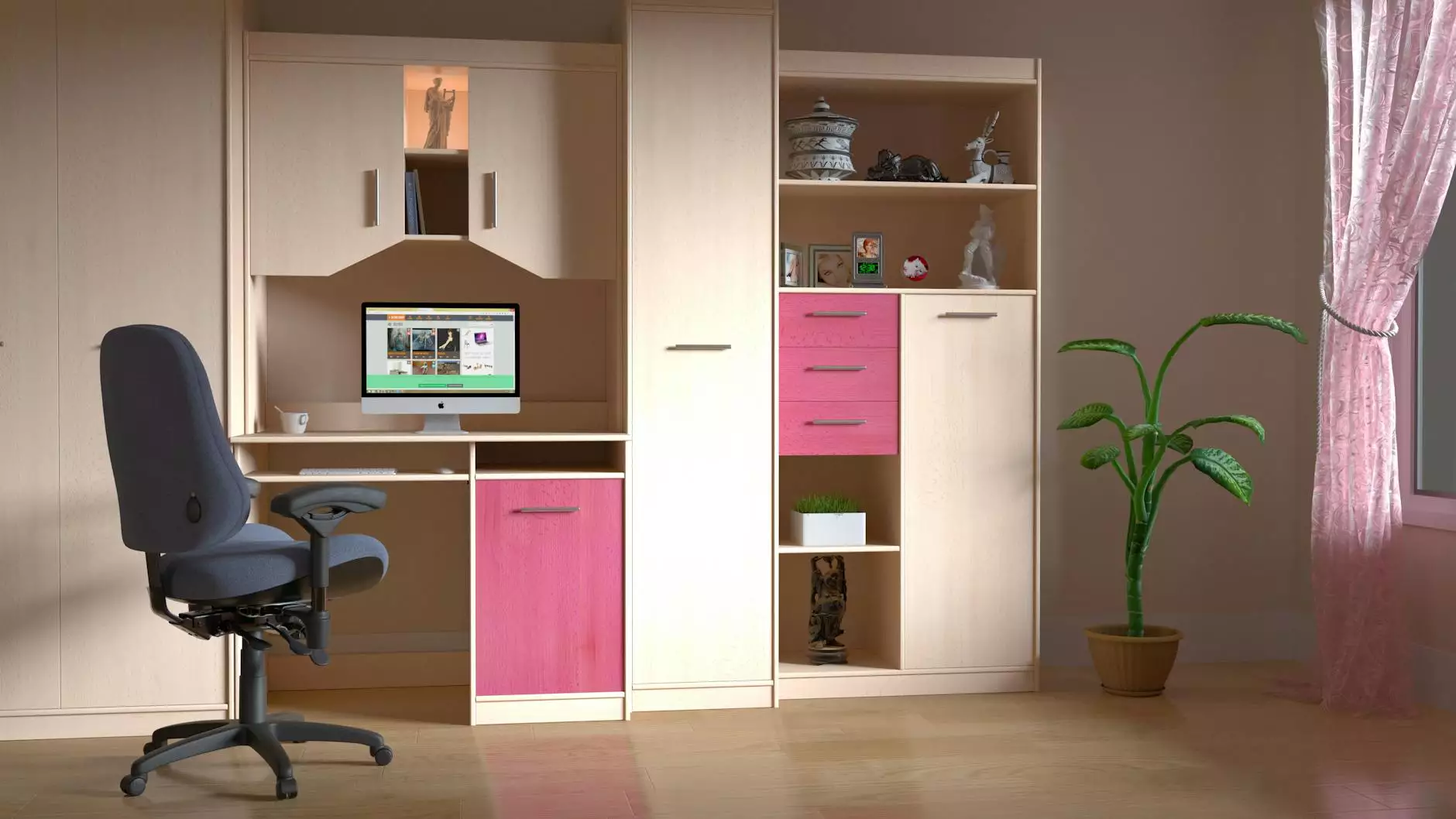
Introduction to Italian Furniture
When discussing Italian furniture, one cannot overlook the profound influence it has had on design and interior aesthetics worldwide. Italian furniture is not merely a functional element in home decor; it is an art form that resonates with passion, culture, and history. From exquisite craftsmanship to innovative designs, Italian furniture captures the essence of beauty and luxury. This article delves into the distinct characteristics of Italian furniture, its historical context, and why it continues to be a preferred choice in modern homes.
A Brief History of Italian Furniture
The roots of Italian furniture can be traced back to ancient times. From the Romans who appreciated intricate wooden designs to the Renaissance craftsmen who transformed architecture and furniture-making, Italy has a rich tradition of artistry. During the Renaissance period, Italy became a hub for skilled artisans who created ornate pieces that epitomized opulence and elegance.
As the country evolved, so did its furniture styles. The Baroque, Neoclassical, and Rococo periods brought forth unique aesthetics. Each era contributed its flair, resulting in a diverse tapestry of styles that defines Italian furniture today.
- Renaissance (14th - 17th Century): Focused on symmetry and classic forms.
- Baroque (17th Century): Lavish designs with rich details and dramatic appearances.
- Rococo (18th Century): Emphasized elegance and asymmetrical designs.
- Neoclassical (18th - 19th Century): Inspired by classical antiquity with a focus on simplicity and grandeur.
- Modern Styles (20th Century - Present): Melding traditional craftsmanship with contemporary design principles.
Key Characteristics of Italian Furniture
Italian furniture is known for its remarkable quality and design. Some of the key characteristics include:
- Materials: High-quality materials such as solid wood, leather, and metals are commonly used, ensuring durability and a luxurious feel.
- Craftsmanship: Italian artisans take great pride in their work, often employing traditional techniques that have been passed down through generations.
- Design: The aesthetic value of Italian furniture is unmatched, often melding classic elements with contemporary trends.
- Functionality: Italian pieces are designed with not only beauty but also practical functionality, making them ideal for modern living spaces.
- Innovation: Continuous innovation in design ensures that Italian furniture remains relevant and appealing in contemporary interiors.
Popular Styles of Italian Furniture
The diversity of Italian furniture styles is broad, catering to various tastes and preferences. Here are some of the most popular styles:
Classic Italian Furniture
This style often features ornate carvings and rich fabrics, reflecting traditional Italian craftsmanship. It's suitable for those who appreciate a timeless aesthetic.
Modern Italian Furniture
Modern designs incorporate clean lines and minimalistic features. They embody an elegant simplicity that can transform any space into a chic and contemporary haven.
Rustic Italian Furniture
Rustic pieces emphasize natural materials and a warm, inviting aesthetic. Often used in country homes, this style brings warmth and coziness to interiors.
Industrial Italian Furniture
This emerging style combines industrial elements with Italian flair, often featuring metal accents and reclaimed wood for a unique look.
Advantages of Choosing Italian Furniture
When deciding on furniture, opting for Italian-made pieces has several distinct advantages:
- Quality and Durability: Italian furniture is renowned for its durability, ensuring your investment lasts for years.
- Timeless Aesthetic: The classic elegance of Italian design transcends trends, making it a wise choice for long-term use.
- Versatility: Italian pieces can seamlessly integrate into various design styles, from ultra-modern to rustic.
- Artisan Craftsmanship: Buying Italian furniture often means supporting skilled artisans and preserving traditional techniques.
The Role of Italian Furniture in Interior Design
Incorporating Italian furniture into your home not only elevates the aesthetic but also speaks to a lifestyle of sophistication and taste. Here’s how Italian furniture plays a crucial role in interior design:
Creating Focal Points
Italian furniture pieces are often statement-making. A beautifully crafted Italian sofa can become the centerpiece of a living room, drawing the eye and anchoring the space.
Enhancing Functionality
Consider the functional aspects of Italian furniture. From clever storage solutions to multi-use designs, these pieces provide practicality without sacrificing style.
Complementing Colors and Textures
Italian furniture is available in various finishes, colors, and textures, allowing for personalized designs that can enhance or contrast with the existing decor.
Where to Find the Best Italian Furniture
Finding high-quality Italian furniture involves exploring various sources. Here are some tips:
- Specialty Furniture Stores: Look for stores that specialize in Italian imports for authentic pieces.
- Online Retailers: Many online platforms offer a vast selection of Italian furniture, often with customer reviews to help guide your choices.
- Local Artisans: Supporting local craftsmen can lead to unique finds that reflect the spirit of Italian design.
- Trade Shows and Expos: Attending furniture expos can give you insight into the latest trends and innovations in Italian design.
Conclusion
Choosing Italian furniture is not just about acquiring an item for your home; it's about embracing a rich heritage of artistry and craftsmanship that elevates interior design. With its remarkable quality, timeless appeal, and innovative designs, Italian furniture continues to be a leading choice for homeowners and designers alike. Whether you are renovating your space or simply looking to add a touch of elegance, investing in Italian furniture is an investment in beauty, functionality, and culture.