Understanding FTL Freight Rates: A Comprehensive Guide
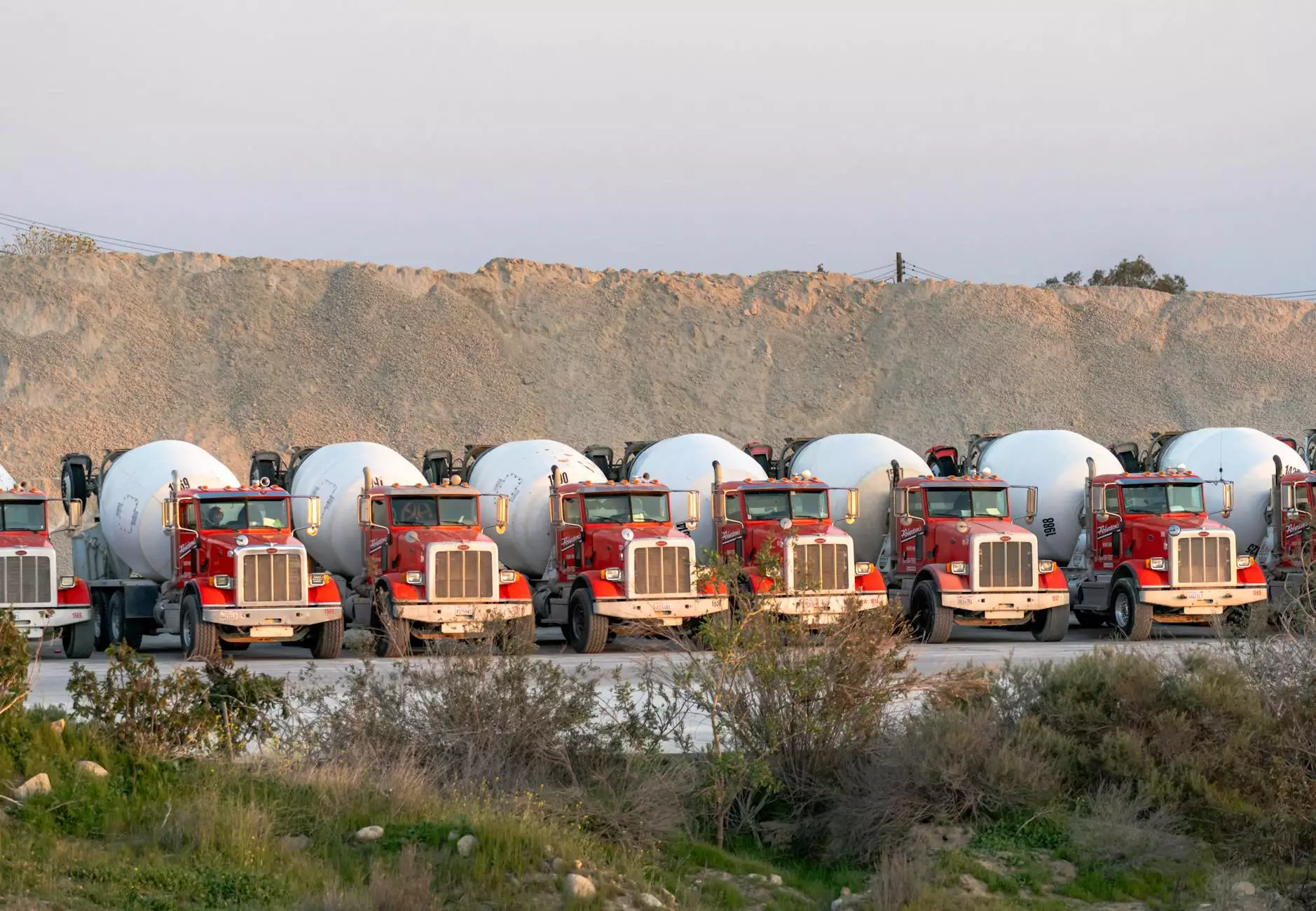
In the ever-evolving world of logistics, FTL freight rates play a crucial role in determining the cost-effectiveness of shipping goods across vast distances. This guide meticulously explores the various aspects of FTL (Full Truckload) freight rates, explaining how they are calculated, factors that influence them, and strategies for businesses to optimize their shipping costs.
What are FTL Freight Rates?
FTL freight rates refer to the costs incurred when hiring an entire truck for transporting freight. Unlike Less Than Truckload (LTL) shipping, which combines multiple shipments from different customers, FTL shipping involves a single shipment occupying the entire truck space. This method is often more economical for large shipments and provides enhanced speed and security for valuable goods.
The Benefits of FTL Shipping
- Cost-Effectiveness: For larger shipments, FTL can often be more cost-effective compared to LTL, as you pay for the truck’s entire capacity.
- Speed of Delivery: With fewer stops along the route, FTL shipments typically arrive faster, which is critical for time-sensitive deliveries.
- Reduced Risk of Damage: Fewer handling and transfer points lower the risk of damage to goods, making FTL a safer option.
- Flexibility: Businesses can schedule shipments according to their timelines, accommodating last-minute orders or changes.
Factors Influencing FTL Freight Rates
The ftl freight rate fluctuates due to various elements, including:
1. Distance and Route
The distance between the shipping origin and destination significantly impacts freight rates. Longer hauls generally cost more, but the specific route can also influence rates depending on tolls, fuel availability, and road conditions.
2. Fuel Prices
Fuel surcharges are a critical component of FTL pricing. As fuel prices rise, freight rates typically increase to reflect the additional costs incurred by carriers.
3. Load Weight and Volume
Freight rates are often calculated based on the weight and cubic volume of the load. Heavier shipments generally incur higher rates due to the greater fuel and operational costs involved in transporting them.
4. Type of Freight
The nature of the goods being shipped can affect rates. Specialized freight, such as hazardous materials, perishables, or oversized loads, may require special handling and incur additional fees.
5. Seasonal Demand
Rates can vary based on seasonal fluctuations in demand for freight services. Peak shipping seasons, such as the holiday season, may result in higher rates due to increased demand for truckload capacity.
Calculating FTL Freight Rates: A Detailed Breakdown
Understanding how to calculate FTL freight rates can empower businesses to better negotiate and optimize shipping contracts. Here’s a typical formula used:
Basic Formula for Freight Rate Calculation
The basic formula is:
FTL Freight Rate = (Base Rate + Fuel Surcharge + Accessorial Fees) × (Distance/100 miles)Where:
- Base Rate: The standard charge for transporting goods.
- Fuel Surcharge: A percentage added to cover fluctuating fuel costs.
- Accessorial Fees: Charges for extra services like loading/unloading, inside delivery, or residential pickups.
- Distance: The total miles to be traveled for delivery.
Strategies for Optimizing FTL Freight Rates
Businesses can employ several strategies to optimize their FTL freight rates and improve their overall logistics management:
1. Consolidation of Shipments
A single large shipment can often be more economical than multiple smaller ones. Consolidating shipments not only reduces costs but also minimizes risks associated with multiple transits.
2. Developing Strong Relationships with Carriers
Establishing solid relationships with trusted carriers can lead to better rates and service. Frequent communication can also facilitate better negotiation regarding rates, especially during peak seasons.
3. Utilizing Technology
Employ freight management software that provides real-time data and analytics. This technology can help track shipments, compare rates, and streamline logistics processes.
4. Understanding Market Trends
Staying informed about economic conditions and industry trends can help you anticipate changes in freight rates. Being proactive allows businesses to plan shipments around rate fluctuations.
Common Misconceptions About FTL Freight Rates
When it comes to FTL freight rates, there are several common misconceptions:
1. FTL is only for Large Businesses
Many believe that FTL shipping is only viable for large companies. In reality, small to medium businesses can benefit from FTL when they have a large shipment that would otherwise require multiple LTL shipments.
2. All Carriers Charge the Same Rates
Each freight carrier has its pricing structure, often shaped by service quality, reputation, and speed of delivery. Always compare quotes from multiple carriers.
3. FTL Shipping is Always More Cost-Effective
While FTL can be more economical for larger shipments, smaller loads may benefit more from LTL shipping. It's essential to analyze each shipment's specifics before deciding on the method.
Conclusion: Making Informed Shipping Decisions
Understanding FTL freight rates is crucial for businesses looking to enhance their logistics operations. By grasping the factors that influence these rates and employing effective strategies for optimization, companies can not only save on shipping costs but also ensure timely and safe delivery of their goods.
As you navigate through your shipping endeavors, remember that the right approach to selecting FTL services can provide your business with a competitive edge in the market. Stay informed, build strong relationships with your carriers, and continually analyze your shipping strategies for improved efficiency. For more information on optimizing your freight costs and understanding the logistics landscape, consider consulting with freightrate.com for expert guidance and resources.