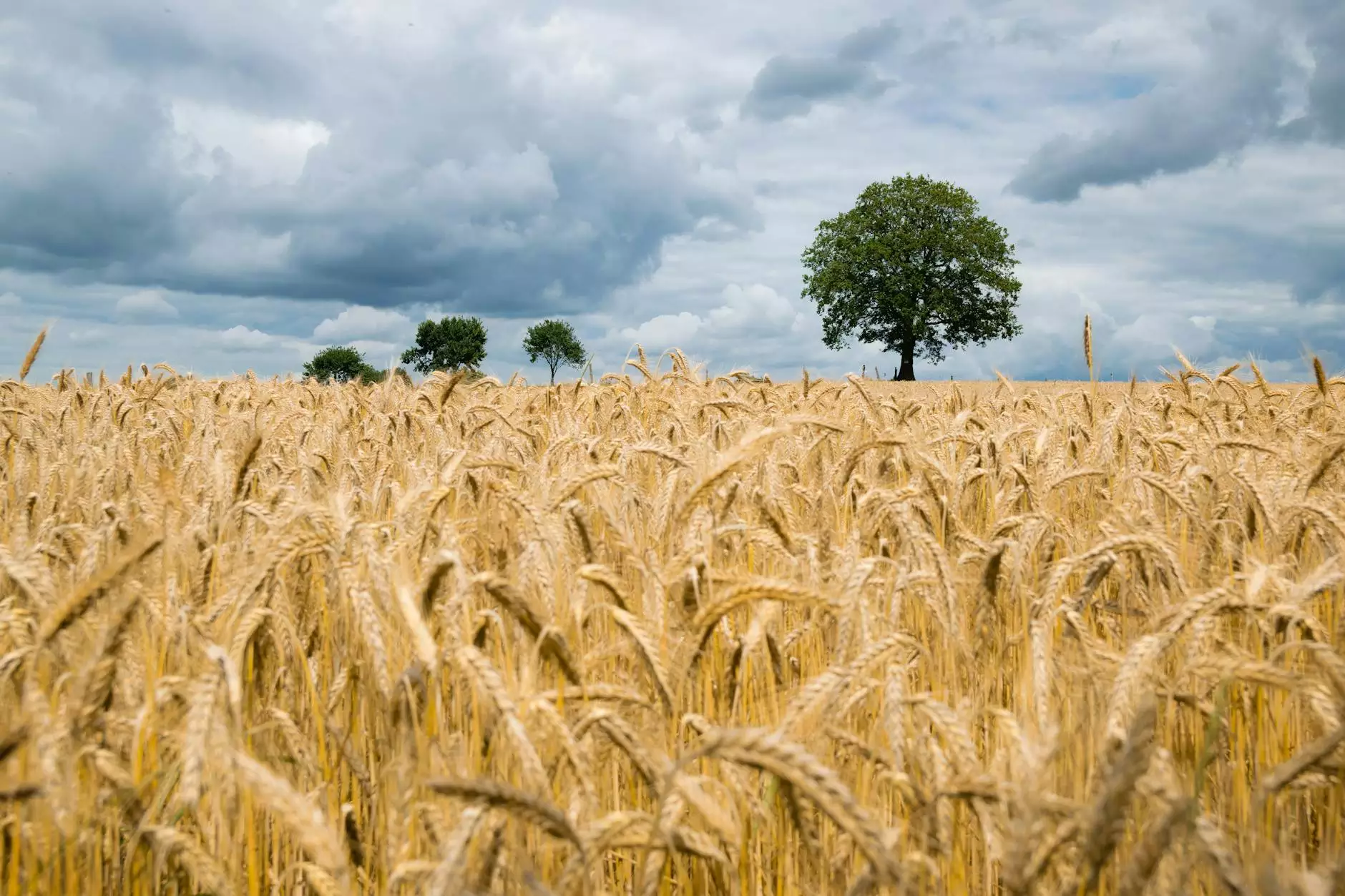
Wheat Weevil Control: Essential Practices for Effective Management
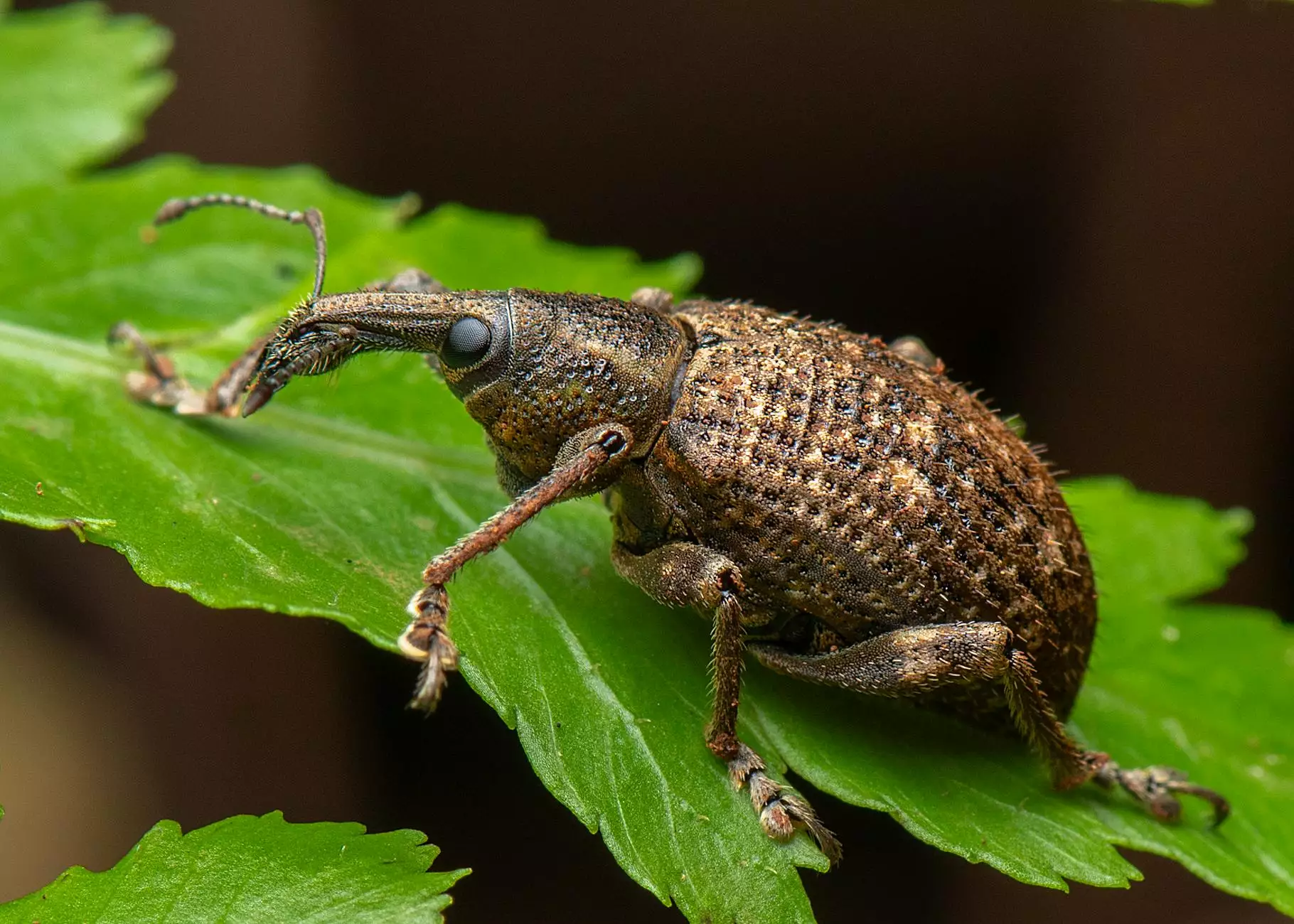
Wheat weevil control is a critical aspect for farmers and grain handlers looking to protect their crops and ensure the quality of their harvested products. The wheat weevil, scientifically known as Sitophilus granarius, is a formidable pest that targets stored grains, mainly wheat. Understanding how to manage and control these pests is vital for maintaining the integrity of your grain storage and maximizing your yield. In this article, we will delve deeply into effective methods for wheat weevil control, the life cycle of these pests, preventive measures, and much more.
Understanding the Wheat Weevil
The wheat weevil is a small, brown beetle that can cause significant damage to stored grains. Being aware of its characteristics and behavior is the first step in effective wheat weevil control.
Life Cycle of the Wheat Weevil
The life cycle of the wheat weevil involves four main stages: egg, larva, pupa, and adult. Understanding these stages can assist in developing effective control strategies:
- Egg Stage: Female weevils lay approximately 200 to 300 eggs on whole grains. The eggs hatch into larvae within a week.
- Larval Stage: The larvae burrow into the grain kernel, consuming the interior, which leads to the grain being rendered worthless.
- Pupal Stage: After a couple of weeks, the larvae pupate within the grain kernel.
- Adult Stage: Adults emerge after about 5 to 15 days, continuing the cycle.
The Importance of Wheat Weevil Control
Effective wheat weevil control is not just about pest eradication but also about safeguarding the economic viability of farming and grain handling operations. Here are some compelling reasons why managing these pests is crucial:
- Preventing Financial Loss: Infestations can result in substantial losses due to damaged grain, impacting profitability.
- Maintaining Product Quality: Infested grains often fail quality inspections, diminishing market value.
- Protecting Food Safety: Grain infested with weevils may pose health risks if consumed or used in food products.
Effective Strategies for Wheat Weevil Control
To combat the challenges posed by wheat weevils, it's essential to implement a combination of strategies. Below are key approaches for effective wheat weevil control:
1. Prevention: The First Line of Defense
As the saying goes, “Prevention is better than cure,” and this holds true for wheat weevil management:
- Inspect Incoming Grains: Conduct thorough inspections before adding new grains to storage facilities.
- Store Clean Grains: Ensure that all grains are clean and free from contaminants before storage.
- Avoid Mixed Grains: Keep different types of grains separate to minimize the risk of infestation.
2. Monitoring and Early Detection
Monitoring your grain storage regularly can help catch infestations early:
- Visual Inspections: Conduct routine checks for signs of weevil activity, such as holes in grain kernels.
- Use Traps: Deploy sticky traps or pheromone traps to monitor weevil populations.
3. Temperature Control
Wheat weevils thrive in specific temperature ranges. By manipulating these, you can effectively control them:
- Heat Treatment: Exposing infested grain to temperatures over 120°F (49°C) for at least 30 minutes will kill weevils.
- Cold Treatment: Conversely, freezing grains at temperatures below 0°F (-18°C) for a minimum of 4 days can also eradicate these pests.
4. Chemical Control Measures
If preventative and mechanical methods fail, you may consider chemical options:
- Insecticides: Apply registered insecticides specifically labeled for wheat weevil control. Follow all safety guidelines and dosage recommendations.
- Fumigation: For large-scale infestations, a fumigant treatment might be necessary, typically performed by licensed professionals.
5. Proper Storage Techniques
Implementing the right storage practices can significantly deter wheat weevil infestations:
- Airtight Containers: Store grains in airtight bins to limit oxygen availability for weevil survival.
- Regular Cleaning: Maintain clean storage areas by removing old grains and debris that attract pests.
Responding to an Infestation
If you discover an infestation, timely action is essential:
- Isolate Affected Grains: Immediately quarantine infested grains to prevent spreading.
- Assess Damage: Evaluate the level of infestation to determine control measures needed.
- Implement Control Measures: Utilize a combination of the methods discussed above for effective eradication.
Conclusion
In summary, effective wheat weevil control is essential for farmers and grain handlers to protect their products and maintain quality. By understanding the biology of the wheat weevil, implementing preventive measures, and utilizing appropriate control strategies, you can safeguard your grain storage from these damaging pests. At tsgcinc.com, we believe that knowledge and preparation are key in agriculture. With dedication and the right practices, you can achieve optimal results and protect your investment in grain storage.