The Essential Role of a Lung Doctor in Health & Medical Care
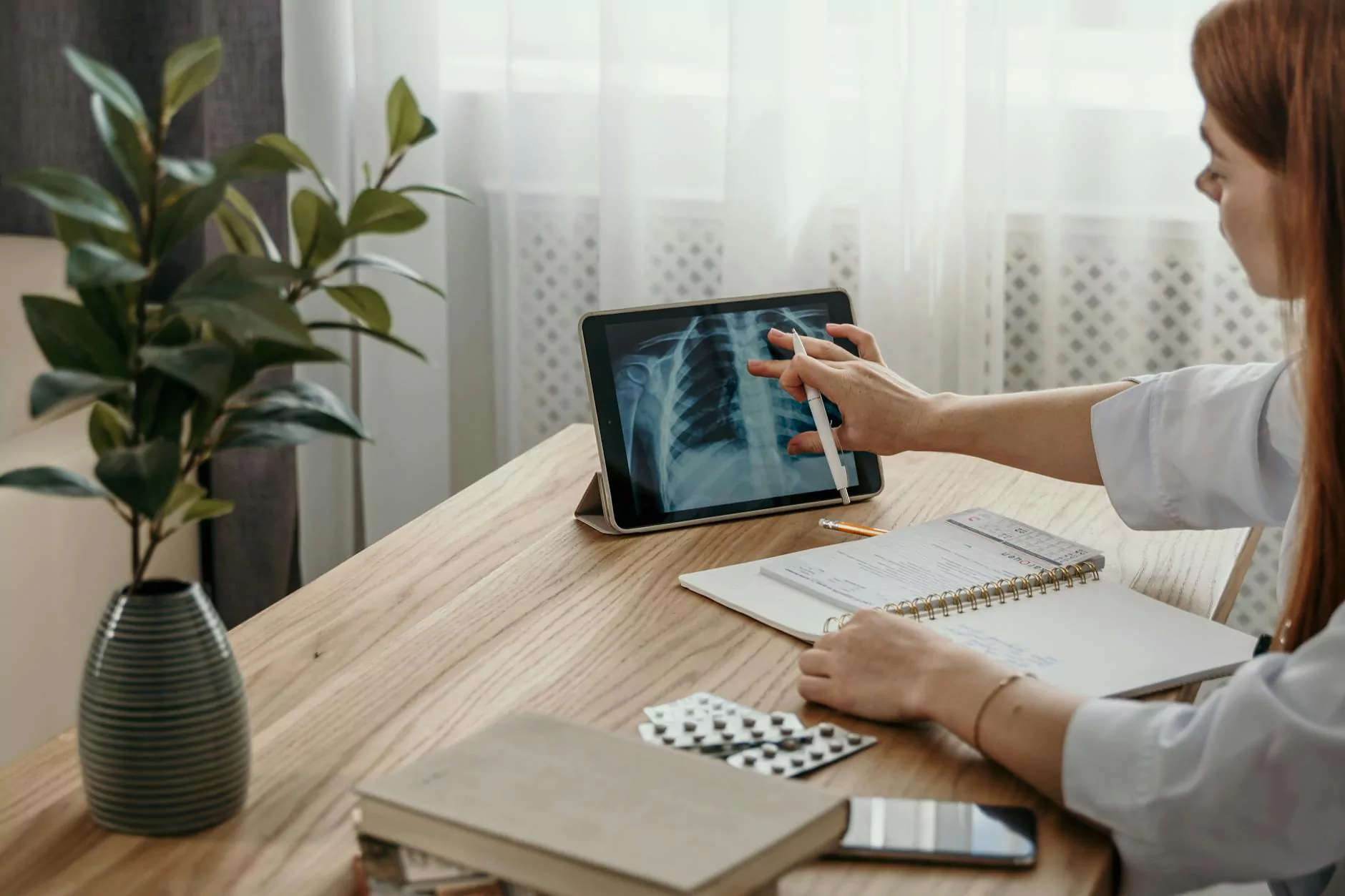
In today's ever-evolving field of health and medical care, the role of a lung doctor has become increasingly vital. As specialists in respiratory health, lung doctors, also known as pulmonologists, are dedicated to diagnosing and treating a wide range of conditions affecting the lungs and respiratory system. This article delves into the intricacies of their profession, the significance of their work in sports medicine, and the invaluable contributions they make to physical therapy.
Understanding the Role of a Lung Doctor
A lung doctor specializes in the management and treatment of diseases affecting the lungs. Their expertise encompasses various conditions, including:
- Chronic Obstructive Pulmonary Disease (COPD)
- Asthma
- Pneumonia
- Lung Cancer
- Interstitial Lung Disease
These medical professionals play a crucial role in enhancing patient outcomes, particularly for those suffering from chronic respiratory ailments. They employ a variety of diagnostic tests, such as pulmonary function tests, chest X-rays, and CT scans, to evaluate lung health and develop personalized treatment plans.
The Importance of Lung Health
Lung health is essential for overall well-being, as the lungs are responsible for oxygenating our body and eliminating carbon dioxide. Poor lung health can significantly impact physical performance, leading to symptoms such as:
- Shortness of breath
- Chronic cough
- Wheezing
- Chest pain
These symptoms can restrict daily activities and diminish quality of life, making it critical to address respiratory issues promptly. Regular consultations with a lung doctor can help catch potential problems early, ultimately improving long-term health outcomes.
How a Lung Doctor Supports Sports Medicine
In the realm of sports medicine, a lung doctor plays a pivotal role in ensuring athletes maintain optimal respiratory function, which is crucial for peak performance. Athletes are often subjected to intense physical stress that can exacerbate underlying lung conditions. A lung doctor provides the following support:
- Assessment of Respiratory Fitness: Through exhaustive testing and evaluation, lung doctors can identify any limitations in an athlete's respiratory capacity.
- Management of Exercise-Induced Asthma: Many athletes suffer from exercise-induced bronchoconstriction, a condition where airway narrowing occurs during physical exertion. A lung doctor can prescribe appropriate medications and management strategies.
- Development of Breathing Techniques: Lung doctors can teach athletes breathing techniques to enhance oxygen intake and improve overall performance.
By collaborating with coaches and trainers, a lung doctor ensures that athletes not only improve their performance but also safeguard their respiratory health.
The Role of Lung Doctors in Physical Therapy
Integrating the expertise of a lung doctor into physical therapy programs is essential for patients recovering from various conditions, especially those involving the lungs. Here’s how they contribute:
- Specialized Rehabilitation Programs: After surgeries or severe respiratory illnesses, patients may need tailored rehabilitation that includes breathing exercises and endurance training supervised by both a physical therapist and a lung doctor.
- Education on Respiratory Health: Lung doctors provide education to patients about lung health, empowering them to take control of their recovery through informed lifestyle choices.
- Monitoring Progress: Regular evaluations by a lung doctor during physical therapy sessions ensure that patients are making progress and adhering to prescribed treatments.
This collaborative approach enhances patient experience, providing them with a comprehensive recovery plan that addresses both physical and respiratory health.
Preventing Lung Disease Through Healthy Lifestyle Choices
Preventative care is a cornerstone of lung health. A lung doctor emphasizes the importance of healthy lifestyle choices, including:
- Smoking Cessation: One of the most significant risk factors for lung diseases, quitting smoking can lead to remarkable improvements in lung function.
- Regular Exercise: Engaging in physical activity promotes overall health and strengthens the respiratory system.
- Healthy Diet: A diet rich in antioxidants and anti-inflammatory foods can support lung health.
- Avoiding Pollutants: Minimizing exposure to air pollutants and allergens is crucial for maintaining healthy lungs.
By fostering a proactive approach to lung health, individuals can reduce their risk of developing chronic respiratory conditions.
Conclusion: Collaborating for Optimal Respiratory Health
The role of a lung doctor extends beyond treatment; they play an integral part in promoting health and well-being within the community. Their contributions in areas such as sports medicine and physical therapy highlight the importance of a multidisciplinary approach to healthcare. By prioritizing lung health and engaging in preventive practices, individuals can lead healthier, more active lives.
For those seeking expert advice or treatment for respiratory issues, rely on the comprehensive care offered by lung doctors, ensuring your lungs remain in optimal condition for whatever life throws your way.
Contact Information
For more information, resources, and to schedule an appointment, visit HelloPhysio.sg today. Invest in your lung health and enhance your quality of life!